

Why Women's Health Matters: How It Shapes the Future A healthy society is built on a healthy woman.
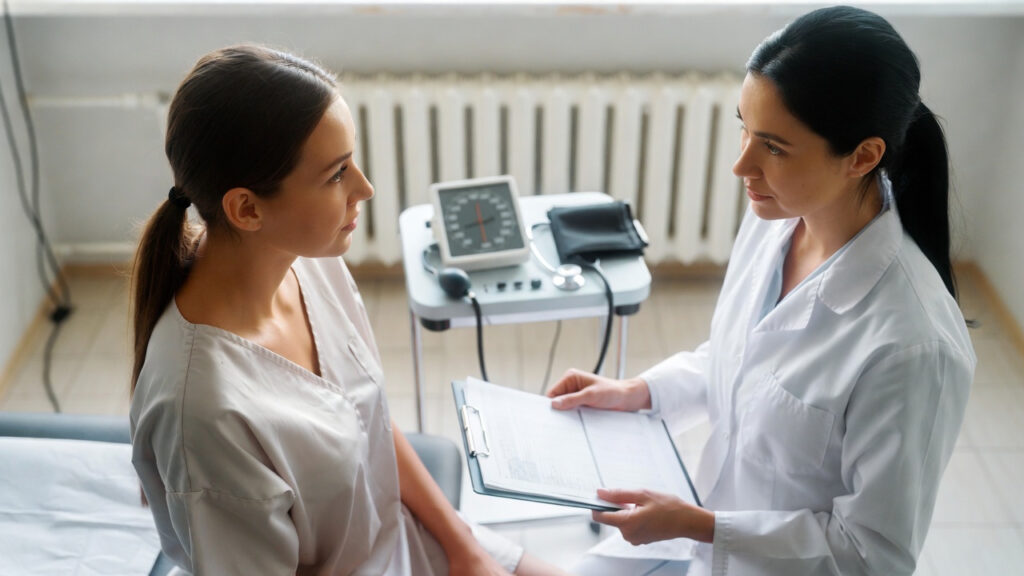
Women support families emotionally, physically, and psychologically across generations, cultures, and healthcare systems. In my clinical practice, I have consistently observed that the entire family system becomes more stable, resilient, and functional when a woman’s mental and physical health is supported. On the other hand, neglecting women’s health has far-reaching consequences that impact partners, children, and even future generations.
Reproductive health is just one aspect of women’s health. Mental health, hormonal balance, sexual health, emotional security, social support, and access to high-quality healthcare are all included. Clinicians, policymakers, and families all need to know how important women are in shaping family health. This article examines the reasons why investing in women’s well-being is ultimately an investment in the future of society, how it affects children and relationships, and how women’s health is the foundation of a healthy family.
The Woman as the Core of the Family System

According to family systems theory, every family functions as a cohesive emotional unit. Women frequently play multiple roles simultaneously within this system, including those of caregiver, emotional regulator, nurturer, educator, and sometimes primary decision-maker regarding health and lifestyle.
As a psychiatrist and sex therapist, I’ve seen how a woman’s emotional state has a subtle but significant impact on the atmosphere in the home. The family tends to run more smoothly when a woman is supported, emotionally regulated, and mentally healthy. Relational conflict, child behavioral issues, or emotional distance between partners are common manifestations of her feelings of overwhelm, depression, anxiety, or chronic stress. This does not imply guilt or blame; rather, it emphasizes importance. The entire system benefits when women’s health is supported.
Mental Health in Women: The Silent Pillar of Family Stability

Despite its significant impact on families, mental health is one of the aspects of women’s health that receives the least attention. Depression, anxiety disorders, trauma-related conditions, and stress-related illnesses are statistically more common in women, especially during hormonal transitions like puberty, pregnancy, menopause, and postpartum.
Depression and Anxiety in Women
Untreated depression in women frequently manifests indirectly in clinical settings:
- Apathy and withdrawal
- Persistent irritability
- Fatigue and exhaustion
- A decrease in desire for intimacy
- Having trouble connecting with children
Emotional insecurities, behavioral issues, and academic difficulties may develop in children whose mothers’ depression is not addressed. Symptoms may be misinterpreted by partners as a lack of interest or commitment, which can strain relationships. Psychotherapy, medication when necessary, and social support significantly improve the woman’s quality of life as well as the functioning of her family.
Mental Well-Being of Mothers and Children

The early brain development, emotional regulation, and attachment patterns of children all depend on a mother’s mental health. When a caregiver is emotionally available, responsive, and consistent, they foster a secure attachment. Unresolved traumatic experiences, postpartum depression, and anxiety can impede this process. In my practice, I emphasize that asking for help as a mother is not a sign of weakness; rather, it is an act of protection for both the mother and the child. Children who are emotionally stable are raised by healthy mothers. Children who are emotionally stable mature into adults who are psychologically stable.
Reproductive and Sexual Health: Beyond Biology

Mental health, self-esteem, and relationship satisfaction are all closely related to women’s reproductive and sexual health. Sadly, many women suffer in silence as a result of stigma, inaccurate information, or a lack of specialist care.
Common Sexual Health Concerns in Women

In addition to having a physical impact, these issues frequently have an emotional and interpersonal impact.
- Lack of desire for sex
- Pain during sexual activity
- Problems with sexual desire
- Self-esteem issues
- Changes in mood and libido related to hormones
. Women may experience guilt, shame, or relationship dissatisfaction when sexual health is neglected, which can destabilize partnerships. Relationship confidence, intimacy, and emotional closeness can be restored through open communication, accurate education, and professional support.
Hormonal Health and Emotional Well-Being
Mood, energy, sleep, cognition, and sexual desire are all influenced by hormones. Significant psychological symptoms frequently accompany life stages like pregnancy, postpartum, perimenopause, and menopause. These symptoms are frequently misinterpreted or dismissed. Sometimes, women are told that mood swings and emotional distress are “normal” and should just be dealt with. Despite the fact that hormonal changes are unavoidable, suffering is not inevitable. The quality of one’s life as well as the relationships in one’s family can greatly improve with the right assessment, lifestyle modifications, therapy, and medical treatment.
Women’s Health and Relationship Dynamics

Emotional availability, communication, and mutual understanding are necessary for healthy relationships. Relationship dynamics frequently shift when a woman’s physical or mental health is compromised.
I often observe in couple’s therapy:
- Lack of emotional connection as a result of untreated depression or stress
- Sexual dissatisfaction caused by psychological or hormonal factors
- Unmet emotional needs are the source of power imbalances.
- Conflict caused by role overload and exhaustion
Women are able to engage in relationships from a place of strength rather than survival when their health is supported. Stronger emotional bonds, improved communication, and healthier partnerships result from this.
The Intergenerational Impact of Women’s Health
Women not only shape the current family, but they also shape the generation to come. Self-worth, emotional expression, body image, and mental health beliefs are frequently passed down from mother to child unconsciously.
Children acquire the following lessons from female role models of emotional intelligence:
- That mental health is important
- That it is acceptable to seek assistance
- The importance of self-respect and boundaries
- That health is encompassing rather than fragmented
One of the most compelling reasons to place a priority on women’s health at every age is this influence from generations past.
Barriers to Women’s Healthcare

Women still face significant obstacles in medicine, despite advancements:
- Suppression of mental and sexual health in society
- Hard to get specialized care
- Limited time due to caregiving responsibilities
- Reducing the severity of women’s symptoms
- A lack of awareness of physical and emotional changes
Individual empowerment and systemic change are required to remove these obstacles.
A Holistic Approach to Women’s Health

Comprehensive health care for women is essential. The treatment of symptoms on their own is insufficient. Included in a comprehensive strategy are:
- Mental health assessment
- Hormonal evaluation
- Support for sexuality
- Support for relationships
- Managing stress and lifestyle
- Treatment based on trauma
Because women’s health cannot exist in silos, I place an emphasis on collaboration in my practice—between psychiatry, gynecology, endocrinology, and psychotherapy.
The Importance of Investing in Women's Health for the Future

When women succeed:
- Families become emotionally secure
- Children acquire better coping mechanisms
- Stability in relationships increases.
- Communities grow stronger
- Over time, healthcare costs decrease
A healthy woman creates a ripple effect that extends far beyond her immediate environment. In addition to being a moral obligation, supporting women’s health is a strategic investment in the wellbeing of society.
Conclusion
The adage “Healthy Woman, Healthy Family” is a clinical and social fact, not a catchphrase. Emotional climates, relationship stability, child development, and the future of communities are all influenced by women’s health. We must shift from providing only reactive care to providing proactive, compassionate, and all-encompassing support for women at all stages of life as healthcare professionals, family members, and society. Women’s health is a foundation for a healthier future for future generations when we protect and promote it.
Author
Dr. Inayat Ullah, M.D
Board-Certified Psychiatrist
AASECT-Certified Sex Therapist
Sexologist & Mental Health Specialist
New York, USA.