
A Clinical Perspective on Water Birth in a Bathtub
The United States of America’s and other developed healthcare systems’ childbirth practices have undergone significant change over the past two decades. Birth experiences that are not only medically safe but also emotionally supportive and psychologically empowering are becoming increasingly sought after by families and women. Water birth, particularly giving birth in a warm water-filled bathtub, is one method that has gained worldwide attention. In my clinical practice, as a physician who works closely with women, couples, and families, I have observed that childbirth is not simply a biological event. It is a profound psychological and emotional change that can affect a woman’s mental health, her relationship with her baby, and the dynamics of her family as a whole. To provide a comprehensive, evidence-informed overview of water birth in a bathtub—what it is, where it is practiced, why women choose it, its benefits, and its limitations—this article is written from my professional experience and clinical observations.
What Is Water Birth?
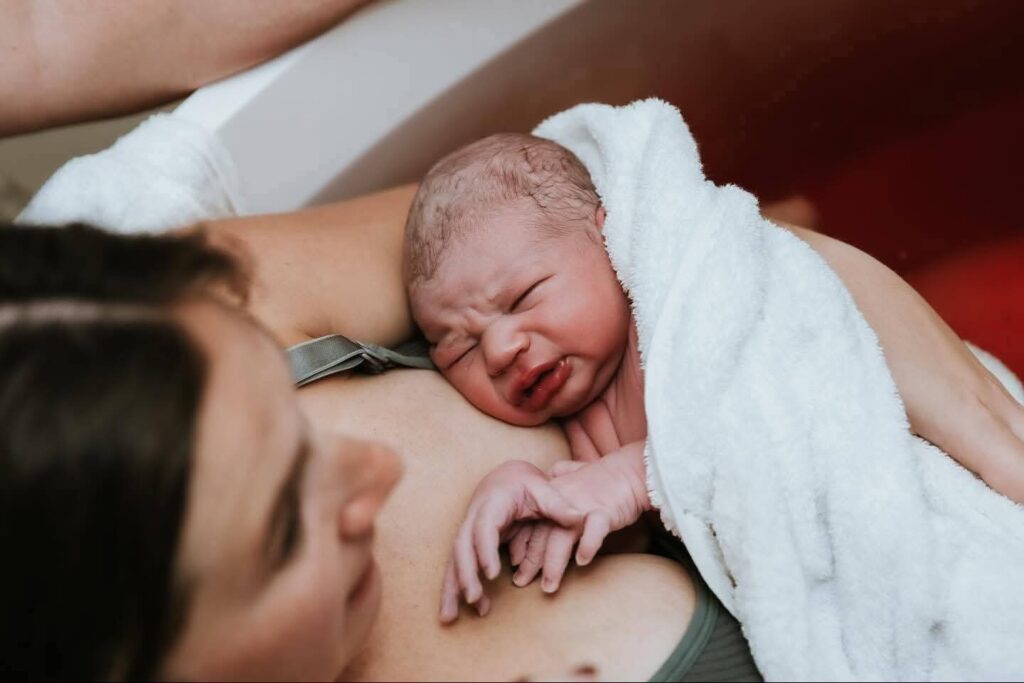
The term “water birth” refers to the procedure in which a woman labors and, in some cases, gives birth while being submerged in warm water, typically in a medical-grade or birthing tub. The idea is based on the idea that warm water supports the natural physiology of labor by creating a calming, low-stress environment. It is essential to make a distinction between working in water and giving birth in water. During the early or active stages of labor, many women use water, then give birth in a bed or on a delivery table. Others, with trained supervision and proper screening, give birth entirely underwater.
Historical and Global Perspective
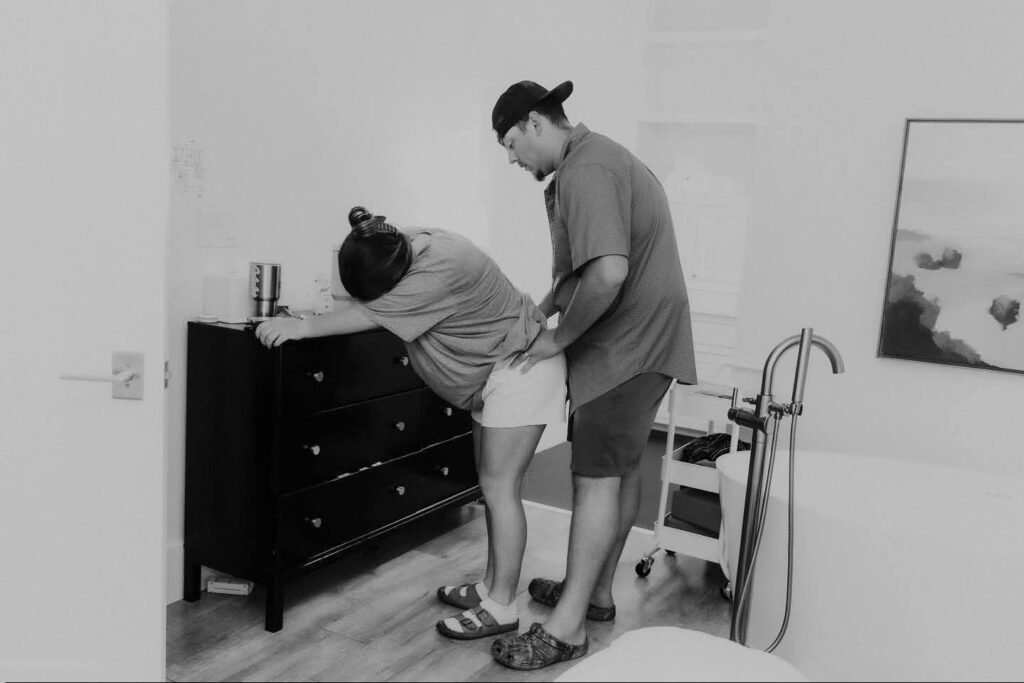
Although water birth may appear to be a recent trend, it has a long history. Ancient cultures may have observed women giving birth near or in water, according to historical accounts. In the latter part of the 20th century, in Europe, particularly in the United Kingdom, Germany, and the Netherlands, water birth received structured attention in modern medicine.
Currently, water birth is used in:
- The United States of America (selected birthing facilities, hospitals, and home birth settings)
- The United Kingdom (within NHS units staffed by midwives) – Canada
- New Zealand and Australia
- Several nations in Europe
Water birth is most commonly performed in accredited birth centers and under the supervision of certified nurse-midwives in the United States. Hospital settings are beginning to accept water birth, but this acceptance is still limited.
Why Women Choose Water Birth
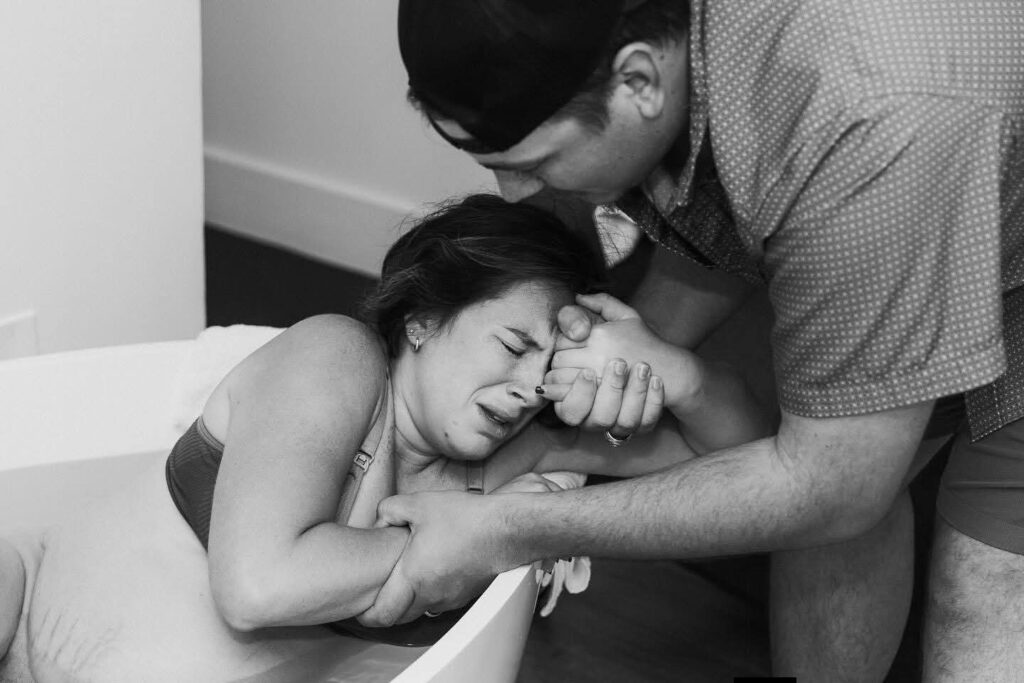
The choice to have a water birth is rarely impulsive, in my clinical opinion. It is frequently motivated by a combination of psychological control, emotional safety, and physical comfort.
Among the main reasons are:
• The desire for a low-intervention, natural birth
• Fear of experiencing painful labor or a traumatic birth in the past
• Preference for freedom of movement and mobility during labor
• Peace of mind and privacy
• A sense of bodily autonomy and empowerment
Water is a non-pharmacological pain management method that many women use that is in line with their personal values and birth philosophy.
Physiological Benefits of Water Birth

Pain Reduction and Muscle Relaxation
Warm water can significantly reduce pain perception, promote muscle relaxation, and alleviate tension. Women are able to move around freely and adopt instinctive labor positions because buoyancy relieves pressure on the spine and joints.
Reduced Stress Hormones
Anxiety and pain during labor raise levels of stress hormones like cortisol and adrenaline, which may impede uterine contractions. Reduced stress responses have been linked to immersion in warm water, facilitating a more natural labor progression.
Improved Blood Circulation
Immersion in water has the potential to improve circulation, boosting uterine efficiency and ensuring that oxygen reaches both the mother and the baby.
Psychological and Emotional Benefits

As a psychiatrist and sexual therapist, I believe that the psychological aspect of childbirth is just as important.
Sense of Control and Safety
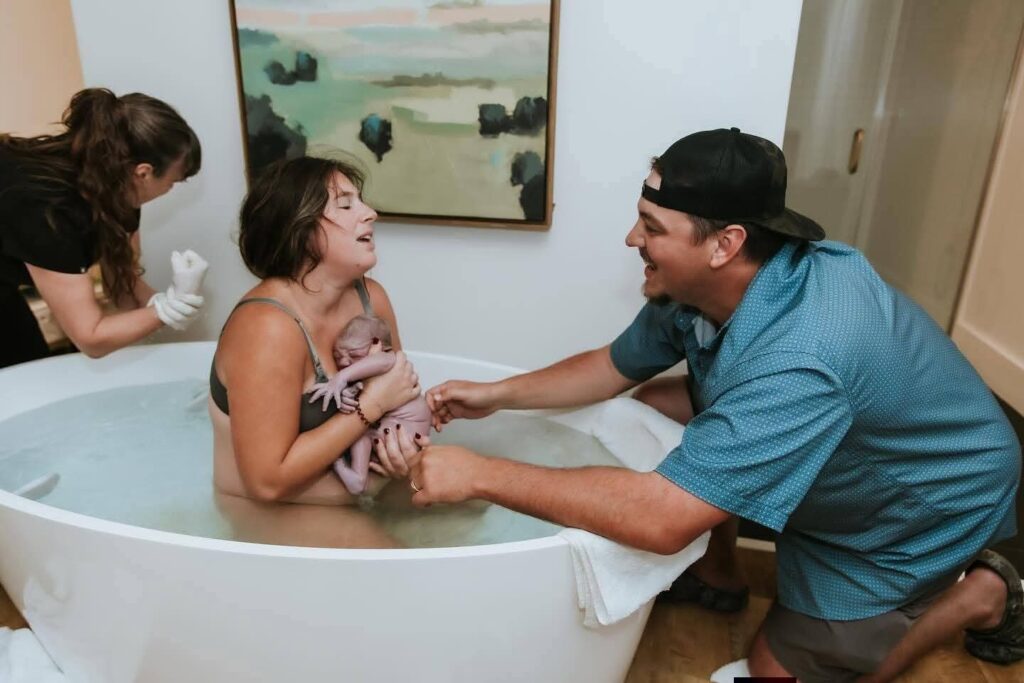
During labor, women who feel secure and in charge are less likely to suffer from birth-related trauma. Fear is frequently diminished, calmness is promoted, and trust in one’s own body is bolstered in the privacy and comfort of water.
Reduced Risk of Birth Trauma
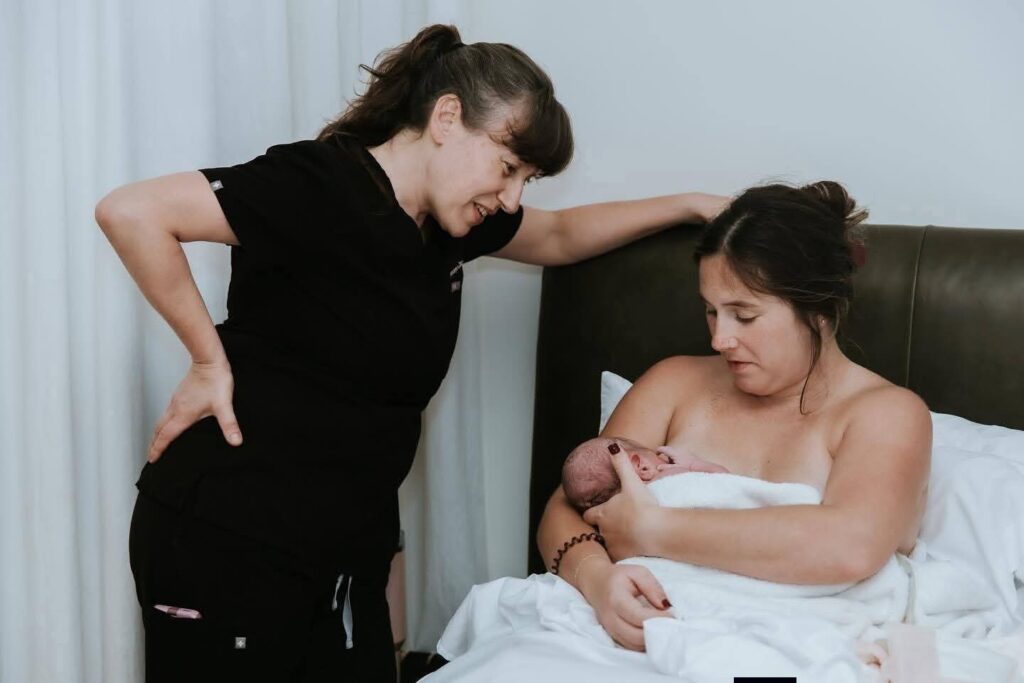
Postpartum depression, anxiety, and sexual dysfunction are all known risk factors for traumatizing birth experiences. A more positive birth memory, which helps with mental health in the long run, can result from a water birth when planned properly.
Enhanced Mother-Baby Bonding

The initiation of breastfeeding and immediate bonding may be facilitated in a calm birth environment.
Potential Benefits for the Baby
According to proponents of water birth, the newborn’s transition to warm water is easier. Although the baby’s protective reflexes prevent it from breathing underwater, the warm environment may help ease the baby’s initial stress. When done correctly, the baby is gently brought to the surface and placed on the mother’s chest right after birth.
Safety Considerations and Medical Guidelines
It is essential to emphasize that not all pregnancies are suitable for waterbirth.
Appropriate Candidates
Birth by water may be an option for:
• Pregnancy with a low risk
• A single infant lying face down
• Pregnancy to the fullest
• No current infections
• Consistent vital signs for the mother and fetus
Situations Where Water Birth Is Not Recommended
• Pregnancy with a high risk
• Preterm birth
• Frontal presentation
• Severe bleeding
• Symptoms of a distressed fetus
• Problems with the mother’s health
Non-negotiable requirements include professional supervision, strict hygiene guidelines, and emergency preparedness.
Common Myths and Misconceptions
“Water birth is unsafe.”
Some low-risk women may be able to have a safe water birth if it is properly planned and supervised.
“The baby can drown.”
Newborns have a protective diving reflex that prevents them from breathing underwater if their birth is handled correctly.
“It is not medically supported.”
Numerous professional organizations acknowledge the use of water during labor, and research on underwater delivery is ongoing.
Risks and Limitations
There is never a 100% risk-free method of birth. Some dangers include:
• Infection if hygiene practices aren’t up to par
• In some situations, difficulty monitoring the heart rate of the fetus
• Problems with the umbilical cord when lifting the baby
• Limited emergency access in the event of complications
These dangers emphasize the significance of skilled providers and clear procedures.
Water Birth and Postpartum Mental Health
A woman’s birth experience can have an impact on her emotional recovery, self-esteem, and intimate relationships from a mental health perspective.
Birth experiences that are positive are linked to:
• Lower rates of depression after childbirth
• Lessening of anxiety
• Greater sexual self-assurance after childbirth
• Stronger bonds with partners
However, disappointment can also result from having expectations that are too high. Planning for a flexible birth and psychological preparation are essential.
My Clinical Perspective
I promote informed choice rather than promoting a single method of birth in my practice. If a woman meets the medical requirements and is emotionally comfortable with this method, water birth may be a viable option. The method of delivery becomes a component of a broader framework of holistic maternal care when a woman is made to feel respected, informed, and supported.
Conclusion
A patient-centered approach that combines psychological well-being with physical comfort is the water birth in a bathtub. For carefully selected women and under professional supervision, it can offer a calm, empowering, and positive birth experience. Our duty as healthcare providers is to encourage informed decision-making, place safety first, and respect each woman’s individual requirements. Childbirth is not only about bringing a baby into the world—it is about protecting the mental, emotional, and relational health of the mother and family.
Author: Dr. Inayat Ullah, M.D.
Board-Certified Psychiatrist, AASECT-Certified Sex Therapist, Sexologist & Mental Health Specialist, Relationship & Couple Therapy Specialist, New York, USA.