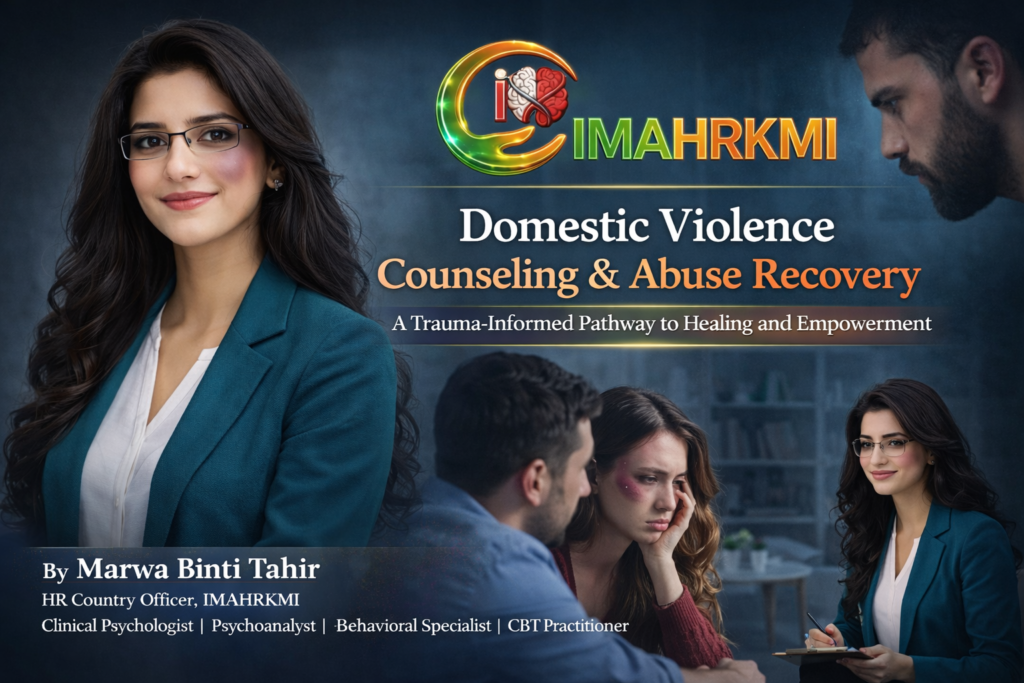
Domestic Violence Counseling & Abuse Recovery: A Trauma-Informed Pathway to Healing and Empowerment
Domestic violence is a painful reality that affects millions of people across the world. It does not discriminate by age, gender, culture, education, or financial background. Although physical violence is the most visible form of abuse, many survivors silently endure emotional, psychological, verbal, sexual, and financial harm for years.
The effects of abuse reach far beyond the moment of violence. Survivors often struggle with fear, shame, confusion, isolation, and a damaged sense of self. Many lose confidence in their own judgment and begin to believe the hurtful messages they have repeatedly received. Without compassionate support, these wounds can continue to affect mental health, relationships, parenting, work, and daily life.
Domestic Violence Counseling & Abuse Recovery is designed to provide a safe and professional framework for understanding abuse and supporting survivors. This course combines trauma-informed care, counseling strategies, psychological theory, and practical intervention methods so that participants can confidently help individuals on their journey toward healing.
Understanding Domestic Violence
Domestic violence refers to repeated behaviors used by one person to gain power, control, or dominance over another person within a family, marriage, or intimate relationship. Abuse often develops gradually. It may begin with controlling behavior, criticism, or emotional pressure and later grow into more severe patterns of harm.
Many survivors remain in abusive situations because of fear, emotional attachment, financial dependence, social pressure, concern for children, or lack of support. For this reason, it is important to approach every survivor with empathy rather than judgment.
Common Forms of Abuse
Physical Abuse
Physical abuse includes hitting, pushing, slapping, choking, restraining, throwing objects, or threatening physical harm. In some cases, the abuser damages belongings, harms pets, or blocks the survivor from leaving.
Emotional and Psychological Abuse
This type of abuse damages a person’s self-esteem and emotional stability. It may involve humiliation, manipulation, gaslighting, intimidation, jealousy, silent treatment, constant blame, or making the survivor feel worthless.
Verbal Abuse
Verbal abuse includes shouting, insults, name-calling, threats, public embarrassment, and repeated criticism. Over time, these words can deeply affect a survivor’s confidence and emotional well-being.
Financial Abuse
Financial abuse occurs when one person controls money, employment, savings, or access to basic needs. Survivors may be prevented from working, forced to hand over income, or left completely dependent.
Sexual Abuse
Sexual abuse includes any unwanted sexual activity, pressure, coercion, forced intimacy, or behavior that violates personal boundaries and consent.
The Cycle of Abuse
Abuse often follows a repeating pattern that can make it difficult for survivors to leave.
- Tension Building – Stress, anger, criticism, and fear gradually increase.
- Abusive Incident – The violence or harmful behavior occurs.
- Reconciliation – The abuser may apologize, promise change, or act loving and caring.
- Calm Phase – A temporary period of peace occurs before the cycle begins again.
Understanding this cycle helps counselors recognize why survivors may return to the relationship or struggle to make decisions about leaving.
Psychological Effects of Domestic Abuse
Survivors of abuse frequently experience deep emotional pain that continues long after the harmful relationship ends. Repeated exposure to fear and control can change the way a person thinks, feels, and responds to the world.
Common psychological effects include:
- Persistent anxiety and excessive worry
- Depression and hopelessness
- Panic attacks and emotional overwhelm
- Low self-worth and self-blame
- Difficulty trusting others
- Hypervigilance and fear of danger
- Emotional numbness or detachment
- Sleep problems and nightmares
- Post-traumatic stress symptoms
- Shame, guilt, and isolation
Some survivors may also experience difficulty making decisions, forming healthy relationships, or feeling safe even in non-threatening situations.
Why Trauma-Informed Care Matters
Trauma-informed counseling is based on the understanding that abuse changes the way survivors think, feel, and react. A trauma-informed perspective shifts the focus away from blaming the individual and instead seeks to understand the painful experiences that may have shaped their thoughts, emotions, and behavior.
This method encourages counselors to create an environment where survivors feel emotionally and physically safe. It reduces the risk of re-traumatization and supports healing in a respectful, empowering way.
Core Values of Trauma-Informed Practice
Safety
The survivor must feel secure, respected, and protected during every stage of counseling.
Trust
Clear communication, honesty, and consistency help create a therapeutic relationship built on trust.
Choice
Survivors should never be pressured. They need the freedom to make decisions at their own pace.
Collaboration
Healing is strongest when the counselor and survivor work together as equal partners.
Empowerment
The goal is not to control or “fix” the survivor. The goal is to help them rediscover their strength, voice, and confidence.
Essential Principles of Abuse Recovery Counseling
- Prioritizing Safety
The first responsibility of the counselor is to assess whether the survivor is currently at risk. Emotional and physical safety planning must always come before deeper therapeutic work.
- Listening Without Judgment
Survivors often fear being blamed or misunderstood. A calm, accepting, and non-judgmental response can help them feel heard for the first time.
- Validating the Survivor’s Experience
Many survivors have been told that their pain is “not serious” or “their fault.” Validation reminds them that the abuse was real and that their feelings matter.
- Respecting Confidentiality
Privacy is essential. Survivors need to know that their personal experiences will be handled with care and professionalism.
- Supporting Gradual Healing
Recovery does not happen in one day. Every survivor heals differently. Counselors must respect each person’s pace and readiness.
Key Counseling Skills Included in This Course
Trauma-Informed Communication
Participants learn how to speak with survivors in a way that builds trust, reduces fear, and encourages emotional safety.
Active Listening and Empathy
The course teaches how to listen attentively, reflect emotions, and respond with genuine understanding.
Risk Assessment and Safety Planning
Participants learn to identify warning signs, assess danger, and create practical safety plans for survivors.
Emotional Stabilization Techniques
Grounding strategies, breathing exercises, and emotional regulation methods are taught to help survivors manage distress.
Cognitive Behavioral Techniques
The course explores how negative beliefs such as “I deserve this” or “I am weak” can be challenged and replaced with healthier thoughts.
Strength-Based Counseling
Instead of focusing only on pain, participants learn how to help survivors recognize their courage, resilience, and personal strengths.
Ethical and Professional Practice
Important topics include professional boundaries, cultural sensitivity, confidentiality, and responsible decision-making.
Two-Week Online Training Program
Course Format
- Live online sessions through Zoom or Google Meet
- Practical exercises and guided worksheets
- Real-life case discussions
- Interactive role plays
- Recorded sessions where available
- WhatsApp support group for guidance and communication
Week One: Understanding Abuse and Trauma
Day 1 – Introduction to Domestic Violence
- Meaning and forms of domestic abuse
- Power, control, and relationship dynamics
- Understanding the cycle of violence
Day 2 – Emotional and Psychological Impact
- Trauma responses in survivors
- Anxiety, fear, and self-esteem issues
- Long-term mental health consequences
Day 3 – Trauma-Informed Counseling
- Principles of trauma-informed care
- Creating a safe therapeutic environment
- Building trust with survivors
Day 4 – Recognizing Signs of Abuse
- Behavioral, emotional, and physical warning signs
- Risk factors and hidden indicators
Day 5 – Effective Communication with Survivors
- Empathy and active listening
- Helpful and harmful responses
- Supporting disclosure safely
Day 6 – Ethics and Professional Responsibility
- Confidentiality and legal awareness
- Maintaining professional boundaries
- Cultural and social considerations
Day 7 – Weekly Reflection and Discussion
- Question and answer session
- Case study review
- Reflection on learning experiences
Week Two: Recovery, Counseling Skills, and Empowerment
Day 8 – Risk Assessment and Safety Planning
- Identifying immediate danger
- Preparing emergency and long-term safety plans
Day 9 – Emotional Regulation and Grounding
- Techniques for calming fear and panic
- Stabilization exercises for trauma recovery
Day 10 – CBT Techniques for Survivors
- Challenging self-blame and guilt
- Rebuilding healthier thinking patterns
Day 11 – Empowerment and Confidence Building
- Restoring self-worth
- Supporting healthy choices and independence
Day 12 – Long-Term Healing and Recovery
- Stages of emotional recovery
- Preventing relapse into harmful relationships
- Building supportive networks
Day 13 – Practical Counseling Practice
- Role plays and guided simulations
- Practice handling sensitive situations professionally
Day 14 – Final Assessment and Closure
- Course review and personal reflection
- Feedback and future learning goals
Benefits of This Course
Professional Benefits
- Strong understanding of trauma and domestic violence
- Practical counseling tools that can be applied immediately
- Greater confidence in handling sensitive and complex cases
Personal Growth
- Improved emotional awareness and empathy
- Deeper understanding of resilience and recovery
- Better communication and supportive listening skills
Career Development
- Valuable addition to a counseling or psychology career
- Useful for work in mental health, education, healthcare, or social services
- Increases professional credibility and specialized knowledge
Who Can Join This Course?
This program is suitable for:
- Psychology and social work students
- Clinical psychologists
- Counselors and therapists
- Social workers and case managers
- Teachers and community support workers
- Individuals who want to learn about trauma and abuse recovery
Learning Outcomes
By the end of this course, participants will be able to:
- Understand the emotional and behavioral dynamics of domestic violence
- Recognize the signs and impact of abuse
- Use trauma-informed counseling methods safely and ethically
- Create effective safety plans for survivors
- Apply practical counseling strategies to support recovery
- Build confidence in working with sensitive and trauma-related cases
Certification
Participants who complete the training successfully will receive an official Certificate of Completion from IMARHKMI.
Conclusion
Domestic violence can leave lasting emotional scars, but healing is possible when survivors are treated with dignity, compassion, and support. A trauma-informed approach helps survivors regain a sense of safety, rebuild confidence, and move toward a healthier future.
Domestic Violence Counseling & Abuse Recovery offers more than theoretical knowledge. It provides a meaningful and practical path for understanding trauma, supporting survivors, and creating lasting positive change in both professional practice and human lives.