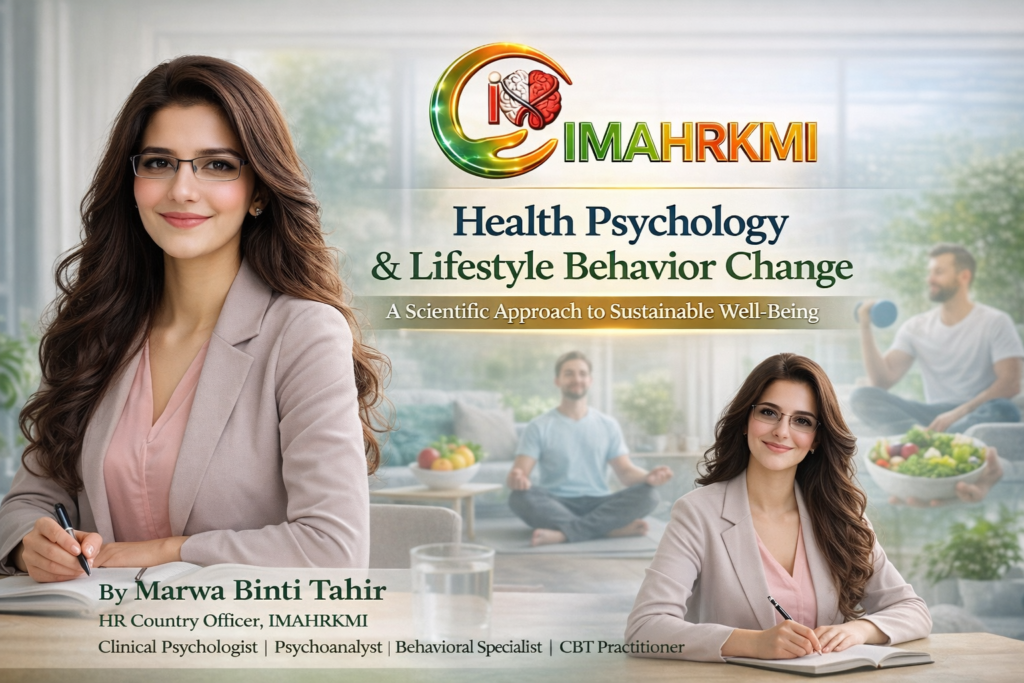
Health Psychology & Lifestyle Behavior Change: A Scientific Approach to Sustainable Well-Being
Health is much more than simply being free from illness. True well-being includes physical strength, emotional balance, mental clarity, supportive relationships, and the ability to function effectively in daily life. Many of the health problems seen today are not caused only by medical conditions. They are often strongly connected to daily habits, stress, sleep, eating patterns, inactivity, and unhealthy coping methods.
Modern life can make it difficult to maintain healthy routines. Long working hours, emotional pressure, constant screen exposure, poor sleep, and lack of time often lead people toward behaviors that gradually damage their well-being. Many individuals know what they “should” do, yet struggle to make lasting changes.
Health Psychology & Lifestyle Behavior Change is designed to help people understand why unhealthy habits develop and how meaningful, sustainable change can be created. This course combines scientific knowledge, psychological understanding, and practical strategies to support healthier thinking, healthier choices, and healthier living.
What Is Health Psychology?
Health psychology is the branch of psychology that examines how thoughts, emotions, behavior, and social experiences influence physical health. Stress, emotions, beliefs, and daily choices all affect how the body functions.
For example, long-term stress can weaken sleep, appetite, concentration, and immune functioning. Negative thinking can reduce motivation and lead to unhealthy behaviors. On the other hand, positive coping skills, emotional balance, and healthy routines can improve physical health and resilience.
Health psychology explores the connection between:
- Thoughts and physical well-being
- Emotions and body functioning
- Stress and illness
- Behavior and disease prevention
- Motivation and healthy choices
- Social support and recovery
Rather than focusing only on treating illness, health psychology also aims to prevent health problems by improving behavior and lifestyle.
Understanding Lifestyle Behavior Change
Lifestyle behavior change means making lasting improvements in everyday habits that influence health. These changes are not based on temporary diets, unrealistic goals, or strict routines. Instead, they involve creating small, realistic actions that can be repeated over time.
Areas of lifestyle behavior change may include:
- Improving eating habits
- Becoming more physically active
- Developing better sleep routines
- Managing stress in healthier ways
- Reducing screen time
- Decreasing harmful coping behaviors
- Creating a more balanced daily schedule
The purpose of behavior change is not perfection. The goal is to help individuals create healthier patterns that support long-term physical and emotional well-being.
Why People Struggle to Change Habits
Many people blame themselves when they fail to maintain a healthy routine. In reality, behavior change is often difficult because habits are influenced by thoughts, emotions, environment, and past experiences.
Unhealthy patterns may continue because they provide temporary comfort, distraction, or relief. Emotional eating, excessive screen time, lack of exercise, and poor sleep habits often become automatic responses to stress, loneliness, boredom, or exhaustion.
Lasting change becomes possible when individuals understand the deeper reasons behind their behavior.
Factors That Influence Health Behavior
Psychological Factors
Personal thoughts and emotions play a major role in health behavior. Important influences include:
- Motivation and readiness to change
- Confidence in one’s ability to succeed
- Emotional regulation
- Stress levels
- Self-discipline and persistence
- Beliefs about health and personal ability
A person who believes “I can never change” is less likely to make progress than someone who believes “I can improve step by step.”
Environmental Factors
The surrounding environment also affects daily habits. Healthy behavior becomes easier or more difficult depending on the situation.
Environmental influences may include:
- Family habits and support
- Work pressure and busy schedules
- Financial difficulties
- Social expectations
- Access to healthy food or safe places for exercise
- Home environment and daily routine
Behavioral Patterns
Many behaviors become habits because they are repeated regularly. Over time, the brain begins to connect certain situations with automatic responses.
Examples include:
- Eating when stressed
- Sleeping late after excessive screen use
- Avoiding exercise when feeling tired
- Using food or social media for comfort
Understanding these patterns is the first step toward changing them.
Common Unhealthy Lifestyle Patterns
Many people experience one or more of the following patterns:
- A sedentary lifestyle with very little movement
- Emotional eating or overeating during stress
- Irregular sleep schedules
- Constant stress without healthy coping methods
- Lack of routine and poor time management
- Skipping meals or depending on unhealthy food choices
- Using avoidance instead of solving problems
Although these behaviors may seem small at first, they can gradually increase the risk of anxiety, fatigue, obesity, diabetes, heart disease, low mood, and burnout.
Barriers to Lifestyle Change
Changing behavior is not always easy. Many people face obstacles that make healthy routines difficult to maintain.
Common barriers include:
- Lack of motivation
- Fear of failure
- Unrealistic expectations
- Negative self-talk
- Difficulty managing emotions
- Immediate comfort compared to long-term benefits
- Unsupportive surroundings
- Returning to old habits during stress
People often expect instant results and become discouraged when progress is slow. However, real and lasting change usually happens gradually
Core Principles of Successful Behavior Change
Awareness
The first step is becoming aware of existing habits. Individuals must identify what they do, when they do it, and what triggers the behavior.
Motivation
People are more likely to change when they understand their personal reasons for doing so. Motivation is strongest when the change is meaningful and connected to personal values.
Self-Regulation
Self-regulation means learning how to pause, manage impulses, and choose healthier responses even when situations are difficult.
Consistency
Healthy habits are built through small actions repeated regularly. A few minutes of daily effort is often more effective than occasional extreme effort.
Reinforcement
Positive change becomes stronger when progress is noticed and rewarded. Encouragement and small successes help people stay motivated.
Scientific Techniques Used in This Course
Cognitive Behavioral Techniques
Cognitive Behavioral Therapy helps individuals understand how thoughts influence feelings and actions. Many unhealthy habits are linked to negative beliefs such as:
- “I will never change.”
- “I have already failed.”
- “There is no point in trying.”
The course teaches participants how to challenge these beliefs and replace them with healthier, more realistic thinking.
Habit Formation Strategies
Healthy behavior becomes easier when it is connected to a clear routine. Participants learn how habits develop through a simple sequence:
Cue → Routine → Reward
For example, a person may begin taking a short walk every evening after dinner and then reward themselves with a relaxing activity afterward.
Motivational Interviewing
Motivational interviewing helps individuals explore mixed feelings about change. Many people want a healthier life but also fear discomfort or failure. This technique strengthens confidence and internal motivation.
Goal-Setting Skills
Participants learn how to create realistic and achievable goals using the SMART method.
Goals should be:
- Specific
- Measurable
- Achievable
- Relevant
- Time-based
Instead of saying, “I want to be healthier,” a more useful goal would be, “I will walk for twenty minutes three times a week for the next month.”
Stress Management Methods
Since stress often leads to unhealthy habits, the course includes techniques for calming the body and mind.
Participants practice:
- Deep breathing
- Relaxation exercises
- Mindfulness skills
- Positive coping strategies
- Time management techniques
Self-Monitoring
Tracking behavior increases awareness and accountability. Participants learn how to monitor:
- Eating habits
- Sleep patterns
- Mood changes
- Physical activity
- Triggers and emotional responses
Keeping a journal or simple checklist can help identify patterns and progress.
Two-Week Online Training Program
Course Format
- Live sessions through Zoom or Google Meet
- Guided worksheets and behavior trackers
- Practical assignments and reflection activities
- Interactive discussions and case examples
- WhatsApp support group for communication and encouragement
- Recorded lectures when available
Week One: Understanding Behavior and Building Awareness
Day 1 – Introduction to Health Psychology
- The relationship between mind and body
- How emotions and behavior influence health
Day 2 – Understanding Lifestyle Habits
- Healthy and unhealthy routines
- Why habits develop and continue
Day 3 – Self-Awareness and Habit Tracking
- Identifying personal triggers
- Recognizing patterns in behavior
Day 4 – Motivation and Readiness for Change
- Internal and external motivation
- Understanding resistance to change
Day 5 – Stress and Its Impact on Health
- How stress affects eating, sleep, and energy
- Identifying unhealthy coping behaviors
Day 6 – Introduction to CBT for Health
- The connection between thoughts and actions
- Replacing unhealthy beliefs with helpful thinking
Day 7 – Reflection and Weekly Review
- Group discussion
- Question-and-answer session
- Reflection on personal habits and goals
Week Two: Creating Healthy Habits and Long-Term Change
Day 8 – Habit Formation and Daily Routine
- Building small, manageable habits
- Using reminders and rewards effectively
Day 9 – Nutrition and Emotional Eating
- Understanding why people eat during stress
- Developing healthier eating patterns
Day 10 – Physical Activity and Motivation
- Overcoming lack of energy and procrastination
- Creating a realistic exercise routine
Day 11 – Sleep and Recovery
- Improving sleep quality
- Building healthy bedtime habits
Day 12 – Managing Stress in Daily Life
- Using relaxation and mindfulness skills
- Preventing stress from controlling behavior
Day 13 – Goal Setting and Personal Action Plans
- Creating practical short-term and long-term goals
- Designing an individual lifestyle plan
Day 14 – Maintaining Progress
- Preventing relapse into old habits
- Building a healthy lifestyle that lasts
Benefits of This Course
Physical Benefits
- Increased energy and improved daily functioning
- Better sleep quality
- Reduced risk of lifestyle-related health problems
- Improved physical health and stamina
Emotional and Psychological Benefits
- Reduced stress and anxiety
- Improved self-confidence and self-control
- Greater emotional awareness
- Increased motivation and resilience
Behavioral Benefits
- Healthier daily routines
- Stronger self-discipline
- Better decision-making skills
- Long-lasting positive habits
Who Should Join?
This course is suitable for:
- Individuals who want to improve their lifestyle
- Students and working professionals
- People struggling with stress-related habits
- Individuals facing difficulty with motivation or self-discipline
- Anyone interested in personal growth and healthier living
Expected Learning Outcomes
By the end of this training, participants will be able to:
- Understand the psychological factors behind health behavior
- Identify personal habits and unhealthy patterns
- Apply scientific techniques to create positive change
- Build healthy routines that are realistic and sustainable
- Manage stress more effectively
- Improve both physical and emotional well-being
Certification
Participants who successfully complete the course will receive an official Certificate of Completion from IMARHKMI.
Conclusion
Healthy living is not created through strict rules, punishment, or short-term motivation. It develops when people understand themselves, recognize their patterns, and learn practical ways to make healthier choices.
Health Psychology & Lifestyle Behavior Change provides a thoughtful, scientific, and supportive path toward lasting well-being. By combining psychological knowledge with practical action, this course helps individuals create meaningful changes that improve both body and mind.