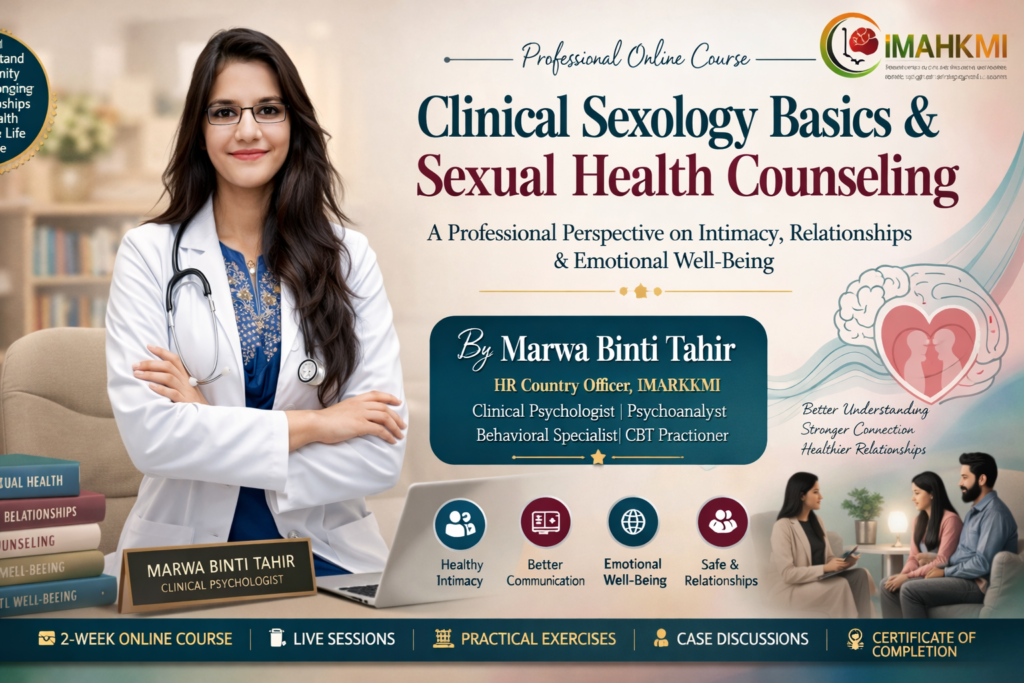
Clinical Sexology Basics & Sexual Health Counseling: A Professional Perspective on Intimacy, Relationships, and Emotional Well-Being
Sexual well-being is an important part of human health, yet it is often surrounded by silence, shame, and misunderstanding. Many people struggle with concerns related to intimacy, desire, communication, emotional closeness, or sexual confidence. However, they may avoid discussing these issues because of fear, embarrassment, cultural expectations, or lack of trustworthy information.
Clinical Sexology and Sexual Health Counseling offer a professional and compassionate way to understand these concerns. This field combines psychology, counseling, behavioral science, and relationship work to help people build healthier and more satisfying intimate lives. Through education, emotional support, and evidence-based techniques, professionals can guide individuals and couples toward greater confidence, connection, and self-understanding.
The Clinical Sexology Basics & Sexual Health Counseling course has been designed for psychology students, counselors, therapists, and professionals who want to develop practical knowledge and ethical skills in this highly sensitive area.
What Is Sexual Health?
Sexual health is much more than the absence of physical problems. It includes the ability to experience intimacy in a way that feels safe, respectful, meaningful, and emotionally comfortable.
Healthy sexuality involves several areas of life, including:
- Emotional security
- Psychological comfort
- Positive self-image
- Mutual respect between partners
- Open communication
- Consent and personal boundaries
- Safe and satisfying experiences
A person’s sexual well-being can be shaped by many different influences. Biological factors, emotions, beliefs, family values, relationship patterns, stress, trauma, culture, and social expectations all play a role.
Understanding Clinical Sexology
Clinical sexology is the professional study of human sexuality and intimate behavior. It explores how people think, feel, and behave in relation to attraction, intimacy, relationships, and sexual experiences.
Professionals in this field may work with:
- Sexual development across different life stages
- Relationship and intimacy concerns
- Sexual behavior and beliefs
- Emotional and psychological barriers
- Difficulties in communication between partners
- Sexual functioning and dissatisfaction
The purpose of clinical sexology is not to judge people or define what is “normal.” Instead, it helps individuals understand themselves, reduce distress, and create healthier patterns within their relationships.
Common Concerns Addressed in Sexual Health Counseling
Many people seek counseling because they feel confused, frustrated, or disconnected in their intimate relationships. In most situations, the concern is not only physical. Thoughts, emotions, fears, past experiences, and relationship dynamics often have a strong influence.
Some common concerns include:
- Difficulty talking openly with a partner
- Fear of intimacy or rejection
- Anxiety related to sexual performance
- Reduced interest in intimacy
- Different levels of desire between partners
- Lack of emotional closeness
- Misinformation and unrealistic expectations
- Pressure created by culture, family, or society
- Feelings of guilt, shame, or embarrassment
When these concerns are left unaddressed, they can create tension, misunderstanding, and emotional distance. Counseling provides a safe place where these issues can be explored without blame.
Why Sexual Health Counseling Matters
Sexual health counseling gives people an opportunity to speak honestly in a private and respectful setting. It encourages clients to ask questions, challenge harmful myths, and understand their emotions.
Counseling can help individuals and couples:
- Feel heard and supported
- Improve communication
- Learn accurate information
- Develop healthier attitudes toward intimacy
- Build trust within relationships
- Reduce fear, shame, and confusion
- Strengthen emotional connection
By reducing stigma and increasing awareness, sexual health counseling supports healthier relationships and improves overall mental well-being
Essential Principles of Professional Sexual Health Counseling
- Confidentiality
Trust is the foundation of every counseling relationship. Clients need to know that their personal information will remain private and protected.
- A Non-Judgmental Attitude
People should be able to discuss their experiences without fear of criticism or shame. A professional counselor listens with empathy, respect, and openness.
- Informed Consent
Clients have the right to make their own decisions. Counselors must explain the counseling process clearly and respect each person’s boundaries.
- Cultural Awareness
Beliefs about intimacy and relationships are strongly influenced by culture, religion, family traditions, and society. Effective counseling recognizes these differences and responds with sensitivity.
- Professional Ethics
Professionals must maintain clear boundaries, use appropriate language, and follow ethical standards at all times.
Important Skills Developed Through This Course
The course focuses on practical abilities that can be used in real counseling situations.
Communication Skills
Participants learn how to:
- Discuss sensitive topics respectfully
- Use supportive and professional language
- Listen actively without interrupting
- Respond with empathy and understanding
Assessment Skills
Students are trained to identify:
- The main concern presented by the client
- Emotional and psychological influences
- Relationship difficulties
- Contributing beliefs, fears, and patterns
Psychoeducation
A major part of sexual health counseling is providing accurate information. Participants learn how to challenge myths and replace confusion with reliable knowledge.
Cognitive Behavioral Techniques
The course introduces simple CBT-based methods that can help clients:
- Reduce anxiety related to intimacy
- Recognize negative thinking patterns
- Replace self-critical thoughts with healthier beliefs
- Improve emotional confidence
Relationship Counseling Techniques
Participants learn strategies to help couples:
- Communicate more effectively
- Express needs and feelings openly
- Resolve misunderstandings
- Rebuild trust and emotional closeness
Ethical Practice
Special attention is given to maintaining professionalism, respecting boundaries, and working responsibly with sensitive information.
Two-Week Online Course Structure
The Clinical Sexology Basics & Sexual Health Counseling program is delivered over two weeks through interactive online learning.
Course Includes
- Live online sessions through Zoom or Google Meet
- Recorded lessons when available
- Practical exercises and worksheets
- Case discussions
- Role-play activities
- WhatsApp support group for participants
Week One: Understanding the Foundations
Day 1: Introduction to Clinical Sexology
- Meaning and scope of the field
- The role of mental health professionals
Day 2: Exploring Sexual Health
- Emotional, physical, and psychological dimensions
- Factors that influence healthy intimacy
Day 3: Myths, Misconceptions, and Social Beliefs
- Common misunderstandings about sexuality
- The influence of culture and social attitudes
Day 4: Communication and Comfort
- How to discuss intimate topics professionally
- Creating a safe and comfortable environment
Day 5: Psychological Factors and Intimacy
- Stress, anxiety, insecurity, and emotional distance
- Understanding the mind-body connection in relationships
Day 6: Basic Counseling Skills
- Building trust and rapport
- Learning ethical guidelines
Day 7: Review and Discussion
- Question-and-answer session
- Reflection on real-life examples and case studies
Week Two: Practical Application and Counseling Skills
Day 8: Assessment and Case Understanding
- Identifying client concerns
- Learning how to organize information professionally
Day 9: CBT in Sexual Health Counseling
- Addressing performance anxiety
- Changing unhealthy thoughts and fears
Day 10: Relationship Dynamics
- Improving communication between partners
- Managing disagreements and emotional conflict
Day 11: Ethics and Cultural Sensitivity
- Respecting boundaries
- Understanding cultural and personal differences
Day 12: Role-Plays and Skill Practice
- Guided counseling exercises
- Practicing responses in realistic situations
Day 13: Professional Growth
- Career pathways in counseling and mental health
- Building confidence and expertise in this field
Day 14: Final Reflection and Evaluation
- Course review
- Participant feedback
Final assessment and closure
Benefits of Joining This Course
Professional Benefits
- Strong foundation in clinical sexology
- Greater confidence in discussing sensitive concerns
- Practical counseling and communication skills
Personal Benefits
- Better understanding of human sexuality
- Increased emotional awareness
- Improved ability to communicate respectfully and openly
Career Benefits
- Expanded knowledge for mental health practice
- Useful addition to a professional portfolio
- Preparation for future work in counseling and relationship support
Who Can Participate?
This course is suitable for:
- Psychology students
- Clinical psychologists
- Counselors and therapists
- Social workers
- Relationship and family support professionals
- Anyone interested in sexual health education and emotional well-being
Learning Outcomes
By the end of the course, participants will be able to:
- Explain the basic concepts of clinical sexology
- Understand the emotional and psychological aspects of sexual health
- Discuss intimate concerns in a respectful and professional manner
- Use basic counseling strategies with confidence
- Apply ethical and culturally sensitive practices
- Support individuals and couples through education and communication
Certification
Participants who successfully complete the course will receive an official Certificate of Completion from IMARHKMI.
Conclusion
Sexual well-being is an essential part of a person’s overall quality of life. When individuals and couples are given accurate information, emotional support, and a safe place to speak openly, they are better able to build healthy and meaningful relationships.
The Clinical Sexology Basics & Sexual Health Counseling course offers a thoughtful, ethical, and practical introduction to this important field. It prepares participants to approach sensitive topics with confidence, compassion, and professionalism while helping others move toward healthier intimacy and emotional well-being.