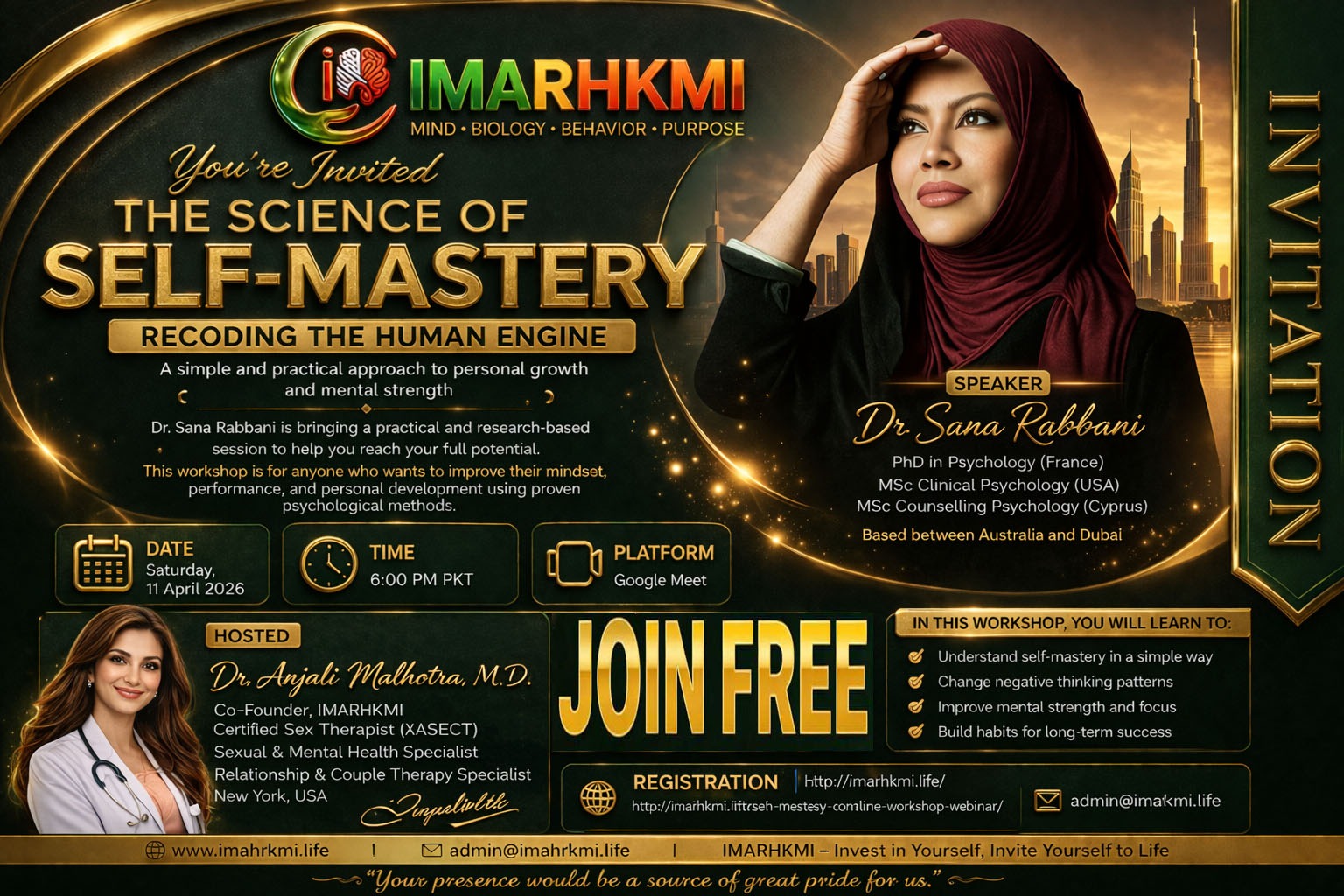

Practical and Clinical Online Internship Program (6 Months) for Psychology Students and Professionals
The profession of psychology is changing rapidly. In the past, many students relied mainly on textbooks, lectures, and written examinations. However, the modern field of mental health requires much more than academic knowledge. Psychologists are now expected to communicate effectively, understand human behavior deeply, manage complex emotional situations, follow ethical guidelines, and apply therapy techniques confidently in real settings.
To meet these growing demands, IMARHKMI has developed a 6-Month Practical and Clinical Online Internship Program. This internship is specially designed for psychology students, graduates, and professionals who want to strengthen their practical understanding of mental health work. The program combines theory, supervised practice, live interaction, case-based learning, and professional guidance.
Through six months of structured online learning, participants are given the opportunity to move step by step from basic concepts to advanced clinical skills. The program is conducted through Google Meet, making it accessible for participants from different cities and countries while maintaining a professional and interactive environment.
Program Duration
- Total Duration: 6 Months
- Training Style: Progressive and Structured Learning
- Sessions: Weekly Live Classes
- Additional Components: Practice Tasks, Clinical Assignments, Case Discussions, and Supervision
The extended six-month period allows participants to learn gradually, practice regularly, and improve their confidence with continuous support.
Main Purpose of the Internship
This internship has been created to help participants develop both clinical understanding and professional ability. The program aims to:
- Provide practical exposure to the field of clinical psychology
- Improve counseling and therapeutic skills
- Teach evidence-based methods such as Cognitive Behavioral Therapy, Behavioral Therapy, and Psychoanalytic approaches
- Build ethical awareness and professional responsibility
- Train participants to understand and manage real-life psychological cases
- Prepare learners for future careers in clinical, counseling, and applied psychology
Who Can Join
This internship is suitable for individuals at different stages of their psychology journey, including:
- Psychology students at undergraduate or graduate level
- Newly graduated psychology students
- Individuals planning to work as clinical psychologists
- Practicing psychologists who want to improve their existing skills
- Anyone interested in mental health and psychological practice
Method of Training
- Platform: Google Meet
- Type of Sessions: Live, interactive, and discussion-based
- Learning Style: Combination of lectures, activities, role plays, and practical exercises
- Recording Availability: Session recordings may be shared when applicable
The online format allows participants to learn from home without losing the experience of direct interaction and professional supervision.
Major Learning Areas
During the six months, participants will receive detailed learning in the following areas:
- Foundations of clinical psychology
- Understanding common mental health disorders
- Psychological assessment and diagnosis
- Case history and mental status examination
- Case formulation and professional report writing
- Counseling skills and psychotherapy methods
- Cognitive Behavioral Therapy (CBT)
- Psychoanalytic and behavioral approaches
- Professional ethics and confidentiality
Six-Month Internship Structure
Month 1: Introduction to Clinical Psychology
The first month focuses on building a strong base. Participants learn what clinical psychology is, what responsibilities psychologists have, and how mental health services are provided.
Topics include:
- Introduction to clinical practice
- Role and responsibilities of a psychologist
- Basic understanding of mental health conditions
- Professional communication
- Rapport building with clients
By the end of the first month, participants begin to understand how psychologists interact with clients and create a safe therapeutic environment.
Month 2: Psychological Assessment and Case History
The second month introduces participants to the assessment process. Students learn how to collect important information and understand a client’s background.
Topics include:
- Intake interview techniques
- Case history taking
- Mental Status Examination (MSE)
- Identifying symptoms and presenting problems
- Introduction to commonly used assessment tools
Participants also practice organizing information in a clear and professional way.
Month 3: Counseling Skills and Communication
This month is dedicated to developing the communication skills required in therapy and counseling.
Topics include:
- Active listening
- Asking effective questions
- Understanding emotions and behavior
- Non-verbal communication
- Basic counseling frameworks
Participants learn how to create trust, listen without judgment, and respond appropriately during sessions.
Month 4: Therapeutic Approaches and Intervention Techniques
The fourth month introduces major therapeutic approaches used in modern psychology.
Topics include:
- Cognitive Behavioral Therapy from basic to intermediate level
- Psychoanalytic concepts and interpretation
- Behavioral therapy strategies
- Understanding thoughts, feelings, and behaviors
- Case conceptualization
Participants begin learning how to connect theory with treatment planning.
Month 5: Practical Clinical Training
This month gives participants more direct practice through activities that resemble real clinical work.
Topics include:
- Case studies and group discussions
- Role plays and mock counseling sessions
- Writing case formulations
- Practicing therapeutic techniques
- Supervised exercises and feedback
The main goal of this month is to increase practical confidence and strengthen problem-solving abilities.
Month 6: Advanced Practice and Professional Development
The final month prepares participants for real-world professional settings.
Topics include:
- Advanced CBT methods
- Ethical rules and confidentiality
- Managing challenging case situations
- Building a professional profile and career path
- Final evaluation and performance review
At this stage, participants are encouraged to think like future mental health professionals and apply what they have learned in a mature and responsible manner.
Important Components of the Internship
1. Live Clinical Sessions
Participants attend weekly live classes where theoretical learning is combined with practical discussion.
2. Case-Based Learning
Different case examples are used throughout the internship to help participants understand how psychological problems appear in real life.
3. Practical Skill Development
The internship focuses strongly on developing skills such as:
- Rapport building
- Observation and emotional assessment
- Professional communication
- Understanding client behavior
4. Assignments and Practice Tasks
Participants are given assignments to improve their understanding, including:
- Case reports
- Reflective writing
- Counseling practice tasks
- Therapy-based exercises
5. Supervision and Professional Feedback
Participants receive regular feedback from trainers so they can improve their strengths and work on their weaknesses.
6. Peer Interaction and Networking
Group discussions and shared activities provide opportunities to learn from others and build professional connections.
Skills Participants Will Gain
By participating actively in the internship, learners will develop:
- Psychological assessment skills
- Counseling and interviewing techniques
- Case formulation ability
- Practical use of CBT and behavioral methods
- Better communication and listening
- Ethical decision-making skills
- Greater confidence in dealing with clients
Benefits of Joining the Internship
Academic Benefits
- Better understanding of clinical psychology
- Strong connection between theory and practice
- Greater awareness of psychological disorders and interventions
Professional Benefits
- Practical experience for future jobs
- Improvement of CV and professional profile
- Preparation for work in counseling and mental health settings
- Opportunity to build a professional network
Personal Benefits
- Improved confidence
- Better emotional understanding
- Stronger communication skills
- Increased self-awareness and maturity
Certificate
Participants who successfully complete all sessions, assignments, and evaluations will receive an official Certificate of Completion from IMARHKMI.
This certificate reflects that the participant has completed advanced practical and clinical training in psychology.
Why This Program Is Different
There are many short courses available in psychology, but most of them focus only on theory. This internship is different because it provides:
- Long-term learning over six months
- Detailed practical training
- Regular supervision and mentoring
- Realistic case practice
- Professional and international-level online environment
The program is designed not only to teach information but also to prepare participants for the real challenges of working in the field of mental health.
Expected Results After Completion
After completing the internship, participants are expected to:
- Understand the basic and advanced areas of clinical psychology
- Conduct interviews and psychological assessments
- Use counseling skills with greater confidence
- Apply CBT and behavioral methods effectively
- Write case formulations and basic reports
- Respond professionally in different clinical situations
Conclusion
A successful psychologist is not created through theory alone. True professional growth comes from practice, supervision, self-reflection, and real experience.
The 6-Month Practical and Clinical Online Internship Program by IMARHKMI offers all of these elements in one structured learning experience. It is an opportunity for students and professionals to strengthen their knowledge, improve their practical skills, and prepare themselves for a meaningful career in psychology and mental health.